
Dental trauma can happen when a child falls, collides with another child, is hit by an object or has an accident during sport or play. Injuries may affect the teeth, gums, lips, cheeks or jaw. Even if a tooth looks intact, an examination is important because damage may not be visible immediately.
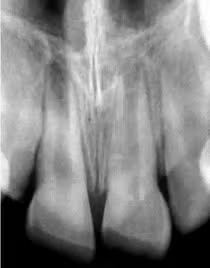
Dental trauma may include:
Baby teeth and permanent teeth require different treatment, so it is important to seek advice promptly.


Stay calm and reassure your child. If there is bleeding, apply gentle pressure with clean gauze or a clean cloth for up to 10 minutes. A cold compress placed on the outside of the mouth can help reduce swelling.
If a tooth has been knocked out:
Do not give your child aspirin, place ice directly on the tooth or gum, or apply heat to the injured area. If your child has severe pain, increasing swelling, difficulty breathing or swallowing, loss of consciousness, vomiting, or a suspected jaw injury, attend an emergency department immediately.
Please contact us promptly after any significant blow to the mouth, particularly if your child has:
Some injuries can cause a tooth to darken or develop infection weeks or months later. Follow-up appointments may therefore be needed, even when the initial injury appears minor.


A properly fitted mouthguard can help protect the teeth during contact sports and activities with a risk of falls or impact. Encourage your child to use playground and sports equipment safely, wear appropriate protective equipment and avoid running with objects in their mouth.
Regular dental visits also allow us to monitor teeth that have previously been injured and check the health of developing permanent teeth.
The 24 hour school-based insurance offered in most schools at the beginning of the year will contribute to or cover the costs of assessing and treating dental trauma.