
Helping your child feel calm, comfortable and safe.
Some children find dental treatment particularly difficult because of anxiety, previous negative experiences, their age, additional needs, or the amount or complexity of treatment required.
In these situations, conscious sedation with nitrous oxide or general anaesthesia may sometimes be considered.
While these terms are sometimes used interchangeably, they are very different and describe two very different approaches to helping a child through dental treatment. At the treatment planning stage, we will discuss with you which may suit your child. We will consider many factors including the individual needs of the child and the type and extent of dental treatment required.
Our aim is always to provide dental care in the safest, most comfortable and least stressful way possible.
Treatment is completed in our clinic in Clonmel.
Treatment is completed at UPMC Whitfield in Waterford or UPMC Aut Even in Kilkenny.
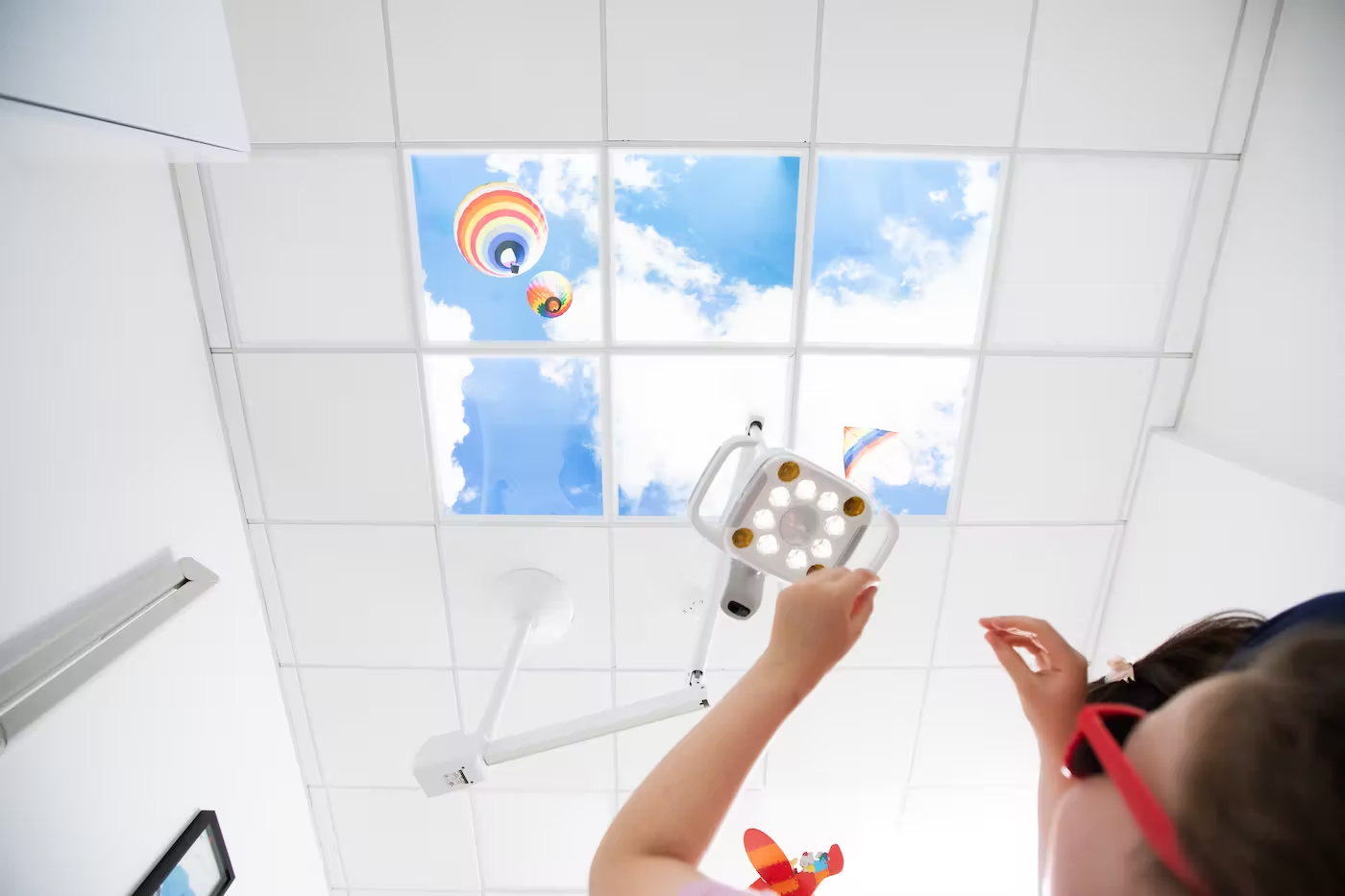
Conscious sedation is used to help a child feel more relaxed and comfortable during dental treatment.
With conscious sedation, your child remains awake. They can communicate with the dental team and respond to instructions. Sedation helps to reduce anxiety and can make dental treatment easier for a child who is able to participate in their care.
For children, the form of conscious sedation we provide is inhalation sedation using nitrous oxide and oxygen, commonly known as "happy gas".
Your child breathes the nitrous oxide and oxygen through a small nosepiece. They remain awake throughout the procedure and can communicate with the dental team. The effects wear off quickly once the gas is stopped.
Sedation is not a general anaesthetic. Your child is not unconscious and is not "put to sleep".
General anaesthesia (GA) is completely different from conscious sedation.
Under a general anaesthetic, your child is fully unconscious and unaware of the dental treatment. They cannot communicate or respond to the dental team during the procedure.
GA may be considered when dental treatment cannot be carried out safely or comfortably while a child is awake. This may include very young children, children with significant dental anxiety, children who are unable to cooperate with treatment, children with additional needs, or children who require extensive or complex dental treatment.
General anaesthesia is a medical procedure and requires a specialist anaesthetic team, appropriate monitoring and facilities for the safe care of your child.
For our patients requiring dental treatment under GA, treatment is provided in an appropriate hospital setting rather than in the dental surgery.
If general anaesthesia is recommended for your child, their dental care remains under the care of our team throughout.
Your child may be assessed and their treatment planned by either Dr Eimear Norton or Dr Eimear Hurley, both of whom have extensive experience in the assessment and management of children's dental care. Where treatment under GA is required, Dr Eimear Norton, our paediatric dentist, will provide the dental treatment in theatre.
The general anaesthetic is administered and monitored by the specialist hospital anaesthetic team. Dr Norton works alongside the anaesthetic team throughout the procedure, while the hospital provides the appropriate facilities, monitoring and recovery environment.
Dental treatment under GA is carried out in an appropriate hospital setting rather than in the dental surgery. For our patients, treatment may be provided at:
These hospitals provide an appropriate environment with specialist anaesthetic services, monitoring and facilities for the care of children undergoing general anaesthesia.
Although the procedure takes place in hospital, this is a continuation of your child's care with our team rather than a separate referral to another dental service.
We believe continuity of care is particularly important for children.
Dr Eimear Norton and Dr Eimear Hurley are involved in the assessment and treatment planning of our patients. Where GA is required, Dr Eimear Norton provides the planned dental treatment in theatre.
The dental treatment is therefore based on the assessment and treatment plan developed within our own team, while the hospital anaesthetic team provides the specialist anaesthetic care.
Before treatment, we will explain the proposed dental treatment, why GA may be appropriate, and the available alternatives. We will also discuss what you can expect before, during and after the procedure.
Our care does not end when your child's treatment is completed. We will remain in contact with you and your family following treatment to ensure that your child is recovering well and that everything is progressing as expected.
A few weeks after treatment, we will arrange a dental hygiene and preventive care visit. This provides an opportunity to check that all is well, reinforce good oral hygiene and dietary habits, and put an appropriate caries prevention plan in place to help protect your child's teeth going forward.
We will also discuss and arrange any ongoing dental care that your child may need. This can continue within our practice or, where preferred, with your child's original referring dentist.
We will work with you and your family to ensure that there is a clear plan for your child's ongoing dental care, with the choice of where that care takes place remaining with you.
There is no single approach that is right for every child.
We consider:
Where possible, we will always consider approaches that allow your child to receive treatment awake and without sedation or GA.
If sedation or GA is being considered, we will explain the recommended option carefully, including the benefits, limitations and potential risks, so that you can make an informed decision about your child's care.

We understand that the prospect of sedation or a general anaesthetic can be worrying for parents.
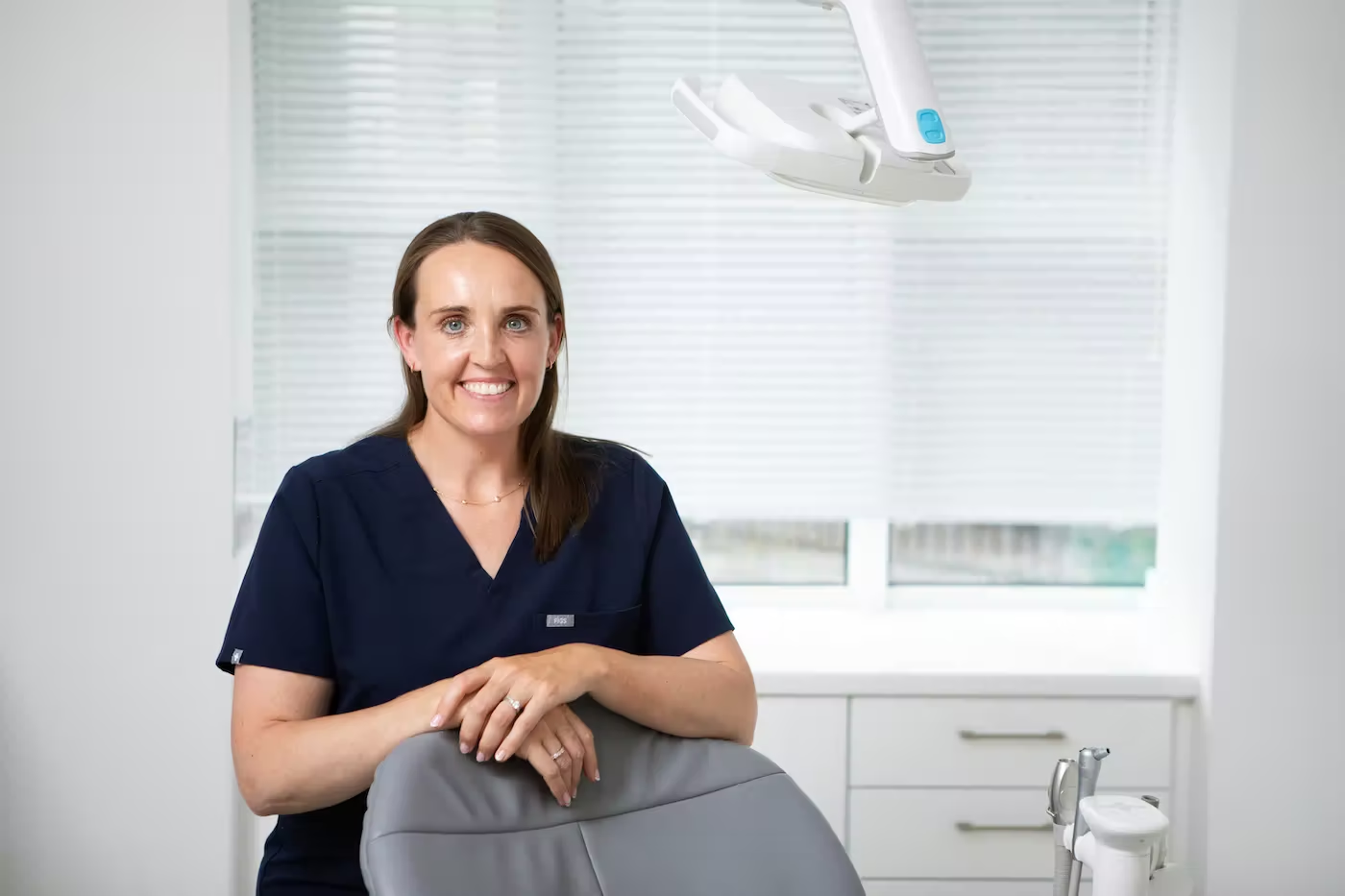
Our team will take the time to explain exactly what is being recommended and why, what will happen before, during and after treatment, and answer any questions you may have.
Our approach follows the relevant Dental Council of Ireland guidance regarding conscious sedation, general anaesthesia and the care of children in dentistry.
Every child is different. Our goal is to provide safe, compassionate and individualised dental care, using the least intensive approach that is appropriate for your child's needs.